Heroin Treatment - Opiate Detox and Treatment Centers

Michael’s House
Michael’s House opened in 1989 and has been serving patients and their families through comprehensive integrated treatment for nearly three decades. In 2006, Foundations Recovery Network added Michael’s House to its family of treatment centers, supporting Arlene’s vision and expanding the center to accommodate more patients. Once a facility with 24 beds, Michael’s House now has 120 beds—and has helped countless men and women find the path to long-term recovery from addiction and mental health conditions.


Brightview Health
BrightView is a new kind of addiction treatment center, one that pairs a patient-focused and evidence-based approach with the compassion and commitment to improve as many lives as we can. We combine medical treatment with psychological therapy and social services to give patients the comprehensive support they need to overcome addiction. We offer evidence-based, outpatient addiction treatment programs to help people rebuild their lives without completely uprooting them.

The Sanctuary at Sedona
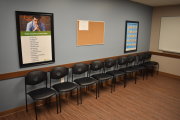
An oasis nestled in the high desert, The Sanctuary at Sedona offers a holistic addiction recovery and trauma healing program. We provide a small and intimate setting with private rooms, intensive one-on-one sessions and group activities. The Sanctuary's life transformation program moves our clients beyond symptom management to treat the root cause of addiction, co-dependence, co-occurring disorders, and disempowering behaviors. This multi-modal approach includes psychotherapy, psychiatry, medicine, spirituality, biology, nutrition, exercise, energy medicine, body work, and wisdom teaching. The Sanctuary's Life Transformation Program takes a truly holistic, integrative approach simultaneously treating your body, mind, soul and spirit.


Sante Center for Healing
The Mission of Santé Center for Healing is to address addictive behaviors and associated conditions with an integrated addiction treatment model, drawing from traditional and innovative approaches. Our services are open to individuals and families who seek recovery from addictive behaviors, with a focus on treating the addicted professional. We provide treatment with integrity, promoting wellness for the patient, family and public in a safe and pleasant setting. Screen reader support enabled.


The Willows at Red Oak
Located just outside of Asheville, North Carolina, The Willows at Red Oak Recovery® offers a sanctuary for young women to focus on healing. Our clinically dynamic approach to mental and behavioral health care prepares women for fulfilling lives in recovery. The clinical team at our North Carolina women’s rehab provides essential support during the first steps on the path to wellness. Each member of our clinical team is a master’s level clinician. Our founders oversee all day-to-day operations at The Willows, providing valuable input on all strategic decisions. Additionally, our leadership and treatment teams have years of experience in a variety of disciplines, including behavioral and mental health treatment, substance abuse treatment, trauma therapy, and experiential education. With our wellness treatment programs, we give you the tools you need to overcome addiction, trauma, and mental health problems. Our small census allows for small and intimate group settings. This allows clients to receive the individualized attention they need and deserve. The stunning landscape of our expansive 38-acre campus features beautiful pastures, ponds, and walking trails. Clients can enjoy privacy and relaxation while focusing on healing and becoming whole again.


Serenity Health
We at Serenity Health provide drug and alcohol detox services. Addiction is an illness and it should be treated as such. We do this in a calm and tranquil environment, where the focus is on reduction of stress. Our health and well-being programme runs alongside your therapeutic detox programme at our private rehabilitation centre.

Mission Recovery
Mission Recovery, located in Fort Worth, TX, provides addiction treatment for all military branches, veterans, and first responders. Veterans and first responders often face substance abuse addiction, mental health disorders such as PTSD, and other issues due to the traumatic events that they face on the job. Learn more about our Fort Worth addiction treatment center and how we differ from other treatment centers. Then, enroll in one of our addiction treatment center programs. About Mission Recovery in Fort Worth, TXAccording to the US Department of Veteran’s Affairs, over 20% of veterans and first responders with PTSD have a substance abuse disorder. Moreover, nearly 10% of veterans returning from Iraq or Afghanistan have a problem with drugs or alcohol. You may feel isolated, without someone to rely on to help you. However, you don’t have to fight this battle on your own. Whether you struggle with alcohol dependency or drug abuse, we want to help. As a part of the Fort Behavioral Health treatment system, we have experience in treating a variety of addictions. Our veteran’s addiction treatment center encompasses programs designed to give you the healing you need. Our master level clinicians will walk beside you and help you overcome the hurdles that come with substance abuse. You don’t have to fear condemnation or judgment at. Our goal is to make sure that you feel safe when you come to our treatment programs.


Gaudenzia
Serving about 19,790 individuals annually, Gaudenzia operates more than 100 drug and alcohol treatment programs for men and women in Pennsylvania, Maryland, Delaware, and Washington, D.C. Services include specialized programs for pregnant and parenting mothers, adolescents, and people suffering from co-occurring mental illness and substance abuse. Gaudenzia helps individuals and families affected by drug and alcohol dependency, mental illness, and related conditions to achieve a better quality of life and become accountable individuals.This is accomplished through a continuum of care leading to long-term recovery guided by a philosophy of mutual concern, personal responsibility, research, and community education.

Summit Detox
At Summit Detox, we are dedicated to providing patients with the three necessary components of successful detoxification: evaluation, stabilization, and the transition to treatment. Our Florida detox center provides safe, effective detox with a focus on the physical, psychological, social, and spiritual wellbeing of our patients and their families. Our goal is to effectively diagnose and treat our patients so that they can safely and successfully transition to the appropriate level of ongoing addiction treatment. Transitioning to treatment also involves creating a plan that takes into account a person’s unique needs. Effective treatment for addiction involves individualized care. Creating that treatment plan should include input from our patients as well as family members. By helping each individual to access these crucial support systems, we can better prepare and transition them into care they really need for lasting sobriety.

Oceanfront Recovery
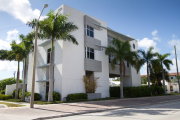
Offering individualized care in one of the premier beachfront recovery communities in the world, Oceanfront Recovery is a licensed Substance Abuse Disorder and Dual-Diagnosis Treatment Center located in the heart of Laguna Beach.


Chapters Capistrano
Chapters Capistrano is the premier affordable luxury executive alcohol and drug rehab facility in California. Located in sunny Southern California, Chapters offers a unique blend of treatment options, services, location and amenities that are unmatched in the alcohol and drug treatment industry. Many alcohol and drug rehab centers in our region simply charge a high price based on their location. As you can see from our gallery of photos, our location and facility are the best you can find. However, we do not have the sticker shock of other luxury treatment centers. More importantly, we believe that our alcohol and drug treatment programs, clinical, medical and support staff are the best in the business. We invite you to peruse the features of our program below to see if Chapters Capistranos alcohol and drug treatment program is right for you or your loved one.


Bayview Recovery
Bayview Recovery, located in Tacoma, Washington, specializes in addiction recovery and has helped thousands of adult men and women safely navigate their way through addiction and back to sobriety. Our addiction treatment programs include treatment substance abuse and co-occurring mental health disorders. We use the latest treatment modalities and provide care from intake and life-long aftercare for alumni. At Bayview Recovery, we recognize the personal nature of addiction and can help you find your own unique path to health and wellbeing. For those who have tried unsuccessfully to get clean before, the stakes are even higher, and it’s even more critical to find a route to sobriety you can sustain.


St. John's Recovery Place - Crescent City
Our Story In the early stages of developing St John’s Recovery Place, we put a lot of thought into the location and the environment in which we thought would be most beneficial. Our qualified professionals have years of experience in the addiction treatment field and have seen first hand the dos and don’ts of the Florida drug and alcohol rehab industry. Starting fresh we knew that we wanted to separate ourselves from the pack and truly make a difference in the lives of people suffering from drug and alcohol addiction. We found an amazingly beautiful part of Florida in Crescent City along the St. John’s River. After laying out our goal and long-term vision for what we wanted our treatment to stand for, we knew that we found the perfect place. St. John’s Recovery Place sits on 8 acres of beautiful vegetation and is surrounded by peaceful trees and wild flowers. Crescent City, is a small town with less than 2,000 people populating the area and is nestled between two beautiful lakes in rural, and undeveloped, untouched Florida. From cities throughout the country with an overwhelming amount of buildings stacked on top of each other, tons of lights and loud street corners, to a safe, quiet and private facility in the middle of Central Florida. We have found a treatment sanctuary, ideal for a recovering environment. It may sound a bit cliché, but even the air is fresher and the stars are brighter here.

Greenhouse Treatment Center
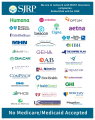
Greenhouse Treatment Center is the perfect place to leave your past behind and find the joy that recovery can bring. Part of the American Addiction Centers (AAC) family of facilities through the United States, Greenhouse Treatment Center provides care for addiction and co-occurring disorders. Our team comprised of the most dedicated and passionate providers you’ll find.


Gaudenzia
Serving about 19,790 individuals annually, Gaudenzia operates more than 100 drug and alcohol treatment programs for men and women in Pennsylvania, Maryland, Delaware, and Washington, D.C. Services include specialized programs for pregnant and parenting mothers, adolescents, and people suffering from co-occurring mental illness and substance abuse. Gaudenzia helps individuals and families affected by drug and alcohol dependency, mental illness, and related conditions to achieve a better quality of life and become accountable individuals. This is accomplished through a continuum of care leading to long-term recovery guided by a philosophy of mutual concern, personal responsibility, research, and community education.

Harmony Hills
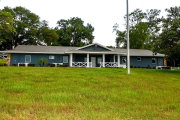
At the Harmony Hills mental health and addiction treatment center, we provide a full continuum of care to help our guests and their families heal. We are committed to providing evidence-based therapy in a supportive, caring environment. Learn more about our Florida rehab center and take the first step to recovery today.

Amatus Recovery Centers
Amatus Recovery Centers is a leader in substance abuse and mental health treatment. We offer comprehensive treatment for every individual, treating the physical, mental, and spiritual aspects of the disease of addiction. However, we go beyond treating addiction and impact every part of your life. Taking these extra steps allows us to help you heal, conquer your addiction, and begin to thrive. We will give you the best chance of success. You just need to take it. Across our addiction treatment centers, we utilize many levels of care to provide a continuum of addiction treatment. This way, each individual can access the right level of support, from intensive medical detox, down to our rehab aftercare and alumni programs.

Deer Hollow
We address the mental and emotional well-being of our clients through our extensive program. By participating in clinical groups, psycho-educational groups and group therapy, we are able to help the client recognize unhealthy patterns, learn more effective coping skills, and give them the opportunity to practice these new approaches in a supportive and therapeutic environment.

Beginnings Treatment Centers
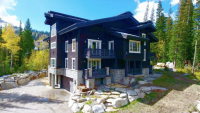
Beginnings Treatment utilizes a transdisciplinary, multimodal approach to treating the addict in the manner most appropriate to the client’s true needs. We have created a thorough assessment process to identify and evaluate the underlying factors of a client’s psychological conditions from multiple and synergistic diagnostic perspectives. Our approach then assesses the roles their substance use plays in the problems the client is experiencing. This comprehensive assessment process ensures that our team has a solid grasp of the unique needs of each client. The Beginnings Treatment process is at the core a sophisticated system of addiction treatment and individual personal development. The process integrates proven, evidence-based therapies with the latest advances in science and mental health to provide the best opportunity for a sustained recovery. We encourage and promote physical wellness and spiritual growth in a holistic approach to recovery. Thus we look to engage all aspects of a human being – mind, body, and spirit – to produce extraordinary results at all levels of being.


Midwest Recovery Center
The Midwest Recovery Center is an outpatient facility that specializes in treating individuals with substance abuse disorders. At Midwest Recovery, treatment is always personalized to the client’s needs. Take the first steps on the road to recovery by reaching out today.

Victory Bay Recovery Center
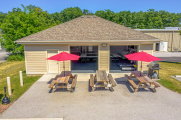
Victory Bay Recovery Center, located in Clementon, New Jersey, provides top-quality outpatient addiction treatment to individuals and communities across the state. NJ can trust. We emphasize a trauma-informed approach utilizing Evidence-Based Treatment (EBT) modalities and the 12-step based recovery process. Our New Jersey outpatient treatment center customizes treatment to each patients’ needs in a small, intimate setting. Our environment is welcoming and safe so that people can recover from their addictions and heal from the trauma that has perpetuated their substance use. Our goal is to teach our patients how to live with their addiction while being a sober, useful member of society.


Southeast Addiction Center
Choosing the right treatment center can be paramount in one’s chance at recovery. While the treatment facility creates a foundation of tools needed for recovery, it is truly the individual, and not the addiction treatment center that determines the end result. When it comes to yourself or a loved one, you are going to want to make sure to choose a facility that has professional accreditations. Located in the Nashville, Tennessee area, Southeast Addiction Center ensures each client receives the tools needed to live a life without addictive substances.


Beacon Mental Health
Beacon Mental Health - Providing Nationally Recognized Behavioral Health Services. Services include mental health, substance use treatment, prevention and wellness activities for Clay, Platte and Ray counties in metropolitan Kansas City, Missouri


AdCare Hospital
Located in MA and RI, we're part of @AAC_Tweet 's family of facilities. We focus on detox, crisis stabilization, rehab, and family services.

Summit Estate Recovery Center
If you are struggling with addiction to drugs or alcohol, Summit Estate Recovery Center is here to help. Through our residential and outpatient treatment programs, we are dedicated to providing you with the care you need to overcome your addiction. Our luxury rehab center provides cutting-edge addiction care in an environment focused on your recovery. About Our Luxury Substance Abuse Treatment CentersSummit Estate Recovery Center is a tandem of two substance abuse rehabilitation centers in Northern California. Both treatment center are staffed by licensed and experience professionals, and both accredited by The Joint Commission. The home site of our residential rehab center is located on an iconic, private, serene estate in the hills of beautiful Saratoga, California, providing the perfect setting to begin your recovery.. Our outpatient treatment programs meet in a beautiful historic converted barn in downtown Saratoga, California. At Summit Estate, we focus on individualized, evidence-based treatment for mature adults.With a staff-to-client ratio of 3-to-1, we’re able to provide the most attentive, compassionate care for our clients. Our treatment model, developed by our founders in collaboration with some of the most highly regarded professionals in the substance abuse addiction treatment field, has generated many successes over years of practice.


San Antonio Recovery Center
San Antonio Recovery Center in San Antonio, Texas is not your typical drug and alcohol treatment center. Founded in 2010, we abide by the philosophy that recovery from addiction requires a full spectrum of treatment, not just one area.

Renaissance Recovery
Renaissance Recovery provides a structured, supportive, family-based environment for clients to grow and develop healthy habits and life skills. In addition, clients learn the coping mechanisms needed to lead and support a functional and successful lifestyle—sober. We are a long-term, solution-based addiction treatment program, where client recovery is our top priority.


Fort Behavioral Health
Fort Behavioral Health in Fort Worth, Texas offers comprehensive addiction treatment programs with individualized programs for adolescents and adults. Our Texas rehab center provides the programs, therapy, and treatment that men and women of all ages need to find recovery. At Fort Behavioral Health, we focus on your needs during each step of recovery. Our licensed experts help you rebuild your life and relationships. From medical detox staff to master level clinicians and nutrition specialists, all of our staff are focused on your lasting recovery from drug and alcohol addiction
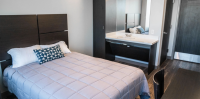

Southeast Addiction Center
Choosing the right treatment center can be paramount in one’s chance at recovery. While the treatment facility creates a foundation of tools needed for recovery, it is truly the individual, and not the addiction treatment center that determines the end result. When it comes to yourself or a loved one, you are going to want to make sure to choose a facility that has professional accreditations. Located in the Atlanta, Georgia area, Southeast Addiction Center ensures each client receives the tools needed to live a life without addictive substances. From individual therapy to group therapy, to trauma-based therapy and 12-step support, our clients learn how to find their own strength as well as create a support system around them. The transition from addiction to sobriety can be hard, however, at our drug and alcohol rehabilitation program, we guide each client through the process – step by step.


Lakeview Health
At Lakeview Health, we provide safe, comfortable environments to focus on your whole health – mind, body, and spirit. Our team of experts help you address alcohol and substance use disorders simultaneously with any co-occurring mental health or physical health issues. The evidence-based, comprehensive care helps you begin your recovery with structured support and build skills for long-term sobriety.


Georgia Addiction Treatment Center
At Georgia Addiction Treatment Center, located just south of Atlanta, our outpatient treatment programs are designed to help individuals struggling with addiction issues win that battle. With a focus on substance abuse problems and the mental health issues that so often accompany them, our staff of board-certified therapists, counselors, and medical professionals take pride in tailoring each program to the individual patient’s needs.
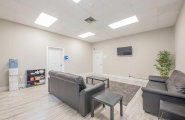
The Sanctuary at Sedona
We created The Sanctuary at Sedona to be drastically different than any other treatment center...a program that works. Our team of holistic addiction recovery experts includes specialists in the fields of allopathic, naturopathic, functional medicine, psychology, psychiatry, recovery coaching, counseling, energy medicine, integrative body work, yoga, meditation, nutrition, nutritional supplements, soul healing and spirituality and wisdom teaching. Our Non 12 Step Addiction Recovery and Trauma Healing Program is 100% integrated simultaneously treating body, mind, soul and spirit. Our focus is to help you identify and resolve the underlying issues and root causes of your suffering.

Stonewater Adolescent Recovery Center
At Stonewater Adolescent Recovery, our blessings are the youth we serve. Each young person is different, so our approach to each case is individualized. We know that drug or alcohol dependence is more than just the chronic use of a substance, so treatment focus is not another “just say no” approach. After proper assessment, our team of professionals will work to create the best possible plan to facilitate lasting change – change that is not only visible in the treatment setting but as the adolescent re-adapts to life outside.


Laguna Treatment Hospital
As part of the American Addiction Centers (AAC) family of facilities throughout the United States, Laguna Treatment Hospital is located in beautiful Laguna, California. In a luxurious, relaxing treatment setting, Laguna Treatment Hospital provides research-based clinical and support services for adults struggling with drug addiction and co-occurring mental health disorders. Laguna Treatment Hospital’s location near San Diego and near Los Angeles makes it easy for native Californians and out-of-staters to access our treatment programs. “Laguna saved my life! I cannot say enough wonderful things about this place. The staff is world class, totally up-to-date on [the] latest scientific findings on addiction, and they are kind, compassionate and understanding.” – Colleen, Laguna Treatment Hospital


Westlake Recovery
Westlake Recovery is located in the heart of Downtown Austin. We are within walking distance to many major Austin hot spots- including Recovery Meeting groups. Our Luxury Sober Living home has an on-site manager as well as several full time employees dedicated solely to Sober Living in Austin and ensuring the environment is safe, nurturing and highly accountable. We also provide additional holistic health and wellness services such as a gym membership to the YMCA. monthly community events, monthly maid and cleaning services. There are daily yoga classes available at the YMCA.
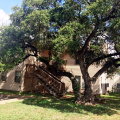

Westwind Recovery
At Westwind Recovery, we are committed to achieving one’s best through a strong community that collaborates to make the greatest impact for individuals struggling with addiction. Our Los Angeles rehab center is client-centered, we provide every aspect of treatment our clients need to achieve real success and lasting, long-term recovery. A focus on essential values, like integrity, professionalism, accountability, communication, and honesty, helps us maintain the highest ethical standards available across all of our programs and services. With the best doctors, clinicians, and operations staff currently working in the treatment field, our fantastic family of providers is equipped to handle any situation, be it medical, mental, or spiritual, and are ready to jump into action 24/7, 365 days per year. Addiction won’t wait; treatment shouldn’t, either. We go the extra mile, taking steps to ensure the safety of our clients from the moment they arrive until they graduate into success.


Pennsylvania Adult & Teen Challenge
At Pennsylvania Adult & Teen Challenge, our faith-based treatment program began in 1962 as a way to help those young people and adults who struggle with addiction get the help they need. We offer programs from detox through outpatient treatment programs. We have locations around Pennsylvania, so you can get help wherever you need it.
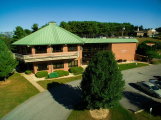

Atlanta Detox Center
At Atlanta Detox Center, you’ll experience detox with a difference. Our mission is to get you in the best facility that will allow you to heal and find long term recovery. Our team is your advocate. Our goal is to help you clear the obstacles or roadblocks you face during early recovery. While some problems might be stressful to work through alone, our team will work with you on legal, financial, professional, or other issues. We will help you thrive during early recovery. Our detox programs help you return to a place of peace and build a brighter future. At the Atlanta Detox Center, we create an environment for healing, free from stress and other triggers. Addiction doesn’t have to have the last word when you begin recovery with a safe, medically supported detox.


Recovery First Treatment Center
Recovery First Treatment Center provides substance abuse rehab in Hollywood, Florida. Our treatment program includes outpatient programs and a continuum of care for adults struggling with addiction and co-occurring mental health disorders. Our beautiful South Florida facility is a part of the larger American Addiction Centers (AAC) family of rehab centers located throughout the United States.


Red Oak Recovery
Inspiring transformation and self-exploration in the safe surroundings of our North Carolina sanctuary, Red Oak Recovery® is a clinically focused, trauma-informed facility with gender-specific programs for young adults. Each recovery journey is different, and our developmentally specific treatment methods take into account your unique story, gender challenges, substance abuse history, and relapse triggers. Our dual-credentialed master’s level clinicians integrate evidence-based practices and 12-step work with complementary modalities to help clients honor themselves, unveil their self-worth, and pursue positive, lasting change.
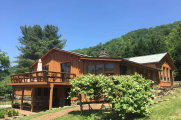

Serenity House Detox Florida
At Serenity House Detox, we offer comprehensive treatment at our detox centers in Florida. Holistic treatment is available to help you reclaim your life from addiction - call us today.


Crestview Recovery
At Crestview Recovery, we offer personalized substance abuse treatments with an unmatched staff-to-client ratio. This allows us to meet with each client on a regular basis. Through one-on-one time with therapists and recovery staff members, you’ll be able to talk about the sources of your addiction and learn coping strategies and recovery tools to overcome your addiction.


Rockland Recovery
Rockland Recovery was founded to help men and women achieve long term sobriety. We incorporated the key factors that we believed helped us to become and remain sober. The 12-steps, structure accountability, and support from others.

Fresh Start Recovery Center
Fresh Start Recovery Center in Gaithersburg, Maryland, offers comprehensive treatment for substance abuse and co-occurring mental health disorders. We are conveniently located close to the Washington, D.C. metro area and Maryland’s Montgomery, Howard and Frederick counties. Fresh Start is dedicated to serving the communities in the state of Maryland and also along the East Coast. We offer Partial Hospitalization, Intensive Outpatient, and Outpatient programs at our beautiful facility.
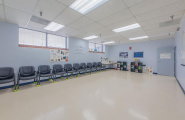

Blueprint Recovery Center
At Blueprint Recovery Center, you’ll find treatment for addiction in the peaceful surroundings of Concord, New Hampshire. Our mission is to provide the right environment and experienced staff for those suffering from substance abuse issues and co-occurring mental health disorders. We are committed to a high level of care to help each client create their own long-lasting recovery. We want every individual who comes to us to thrive. Whether you are struggling with an addiction to alcohol or drugs or with a mental illness, we can create a treatment plan for your unique needs. At Blueprint Recovery Center, we create individualized addiction treatment programs for every person who walks through our door. Our team of certified therapists, counselors, and front-line staff creates a plan that will help you thrive in recovery, identifying and treating the different and complex causes of your addiction.
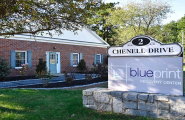

Hickory Wind Ranch
Hickory Wind Ranch provides a safe and nurturing environment for recovering addicts from all walks of life, geographies and crafts. Because each recovery journey is as important as one’s ultimate destination, our goal is to help every member of our community learn how to live a full and rich sober life and to achieve physical, emotional, and spiritual balance. Our communities will provide a tranquil yet supportive environment to begin sober living in Austin. We embrace and practice the 12 Steps of Alcoholics Anonymous and strive to create an environment rooted in love, service, grace, tolerance and community. Unlike most treatment centers, sober homes and half way houses, Hickory Wind Ranch in Austin, TX offers a comprehensive recovery program that helps our residents heal on all levels: mind, body and spirit. Hickory Wind Ranch is now owned and managed by Omega Recovery.

Sunrise House Treatment Center
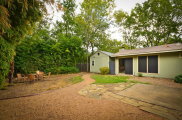
About Sunrise House Treatment Center If you’re ready for treatment and want to escape the Big Apple, Sunrise House Addiction Treatment Center has the solace and calming environment you’ve been searching for. Our team of highly qualified and devoted caregivers at this American Addiction Centers (AAC) facility provides personalized, clinical-based treatment for addiction and co-occurring disorders. Located in a former convent with a rich history, Sunrise House is set on 22 stunning acres of land in Lafayette Township, New Jersey. At Sunrise House you’ll find a diverse collection of amenities such as an expert culinary staff and nutritionists, a fitness center, games like table tennis and basketball, and so much more. When your path towards sobriety calls for it, Sunrise House’s diverse collection of therapy options—including mindfulness and music—will inspire your recovery. Now is the time: Your recovery journey is waiting for you to begin at Sunrise House.

Springfield Wellness Center
Springfield Wellness Center is a Licensed Mental Health Clinic Providing Traditional Psychotherapy and Nutritional Intravenous BR+NAD™ Detox Treatment in a Safe and Caring Environment


Viewpoint Dual Recovery
Viewpoint Dual Recovery Center was created almost 10 years ago when founder Amy Fackrell noticed a shortage of facilities that treat both mental illness and substance abuse at the same time. Many drug rehab centers or mental health treatment centers were strong in treating one or the other, but it was difficult to find a center designed specifically for dual diagnosis. Since its inception in 2011, our Arizona treatment center has helped countless individuals struggling to maintain long-term sobriety as a result of underlying mental illness and trauma. Our passion for helping this specific population is the driving force behind our treatment programs, which has transformed the lives of so many. What Viewpoint Does DifferentlyAt Viewpoint Dual Recovery, we focus on many elements of dual diagnosis treatment that set us apart from other centers. Our licensed clinicians treat both mental illness and substance abuse, and continuously educate themselves on best practices and innovative therapeutic methods to treat dual diagnosis clients. We tailor each client’s treatment plan to their individual needs and diagnoses. We create a treatment plan immediately with a clinical team of licensed therapists, case managers, social workers, psychiatrists, and psychologists, and reviewed weekly to ensure client success.Clinical programming incorporates education, mindfulness, and evidence-based therapies to promote client self-awareness of diagnoses, triggers, strengths, and effective coping strategies to thrive in recovery.


RECO Intensive Outpatient Addiction Treatment
RECO's mission serves to restore light and color to the lives of those suffering from addiction. Through our experiential and comprehensive treatment solutions, we aim to provide a secure, respectful, and empathetic environment in which individuals can truly recover. Employing our expertise in addiction treatment, we work with individuals and their families to foster a renewed capacity for healing, to rebuild relationships, and to create a blueprint for a better life. As firm advocates of collaborative care, we strive to facilitate each individual’s future in lifelong recovery. In the face of addiction, we are all climbing a similar mountain. When left alone, that mountain can feel insuperable. At RECO, we will not only work to climb that mountain with you—many of us have reached its darkest valleys before. We know where you have been, and will invest every ounce of our effort and limitless compassion to ensure a continuous transformation toward the person you will become.


Women's Recovery
Women’s Recovery exists to help women overcome addiction and find healing for mental health issues in a warm, welcoming environment. Our Colorado women’s treatment centers combine trauma-informed care with clinical treatment. Whether you have gone through an inpatient program or are taking the first step to break free from addiction, Women’s Recovery can help. Our centers include Summit Women’s Recovery in Dillon, CO, and Denver Women’s Recovery. These peaceful, distraction-free addiction treatment centers are designed to help you focus on your recovery away from the stresses of everyday life.


Oxford Treatment Center
If you’re looking to take the first steps towards recovery in a serene, natural environment, look no further than Oxford Addiction Treatment Center in Etta, Mississippi. Our incredible staff at this American Addiction Centers (AAC) facility includes expert and passionate caregivers dedicated to providing high-quality clinical-based treatment for addiction and many co-occurring disorders. Our main campus, located in the town of Etta, just a few miles outside of the historic Oxford, Mississippi, stretches across 110 beautiful acres of wooded, rolling hills. Situated around a picturesque private lake are our main lodge, medical services facilities, patient cabins, fitness center, equestrian center, and outdoor pavilions. Yes, you read that right: an equestrian center. When your journey towards sobriety calls for it, our range of therapy options—including mindfulness, Native American healing, and equine therapy—will inspire your recovery.


Crossroads Maine
Crossroads Maine is an addiction treatment and behavioral health treatment center that provides gender-responsive treatment programs that enable clients to recover from addiction in a safe, supportive environment and develop the skills and strategies necessary to support long-term recovery from substance use.


Serenity Light Recovery
We understand that those suffering from alcohol, drug, and substance abuse need a beacon of hope and light to find recovery. We strive to provide that light for the Greater Houston area, Angleton and Galveston. Serenity Light Recovery was created to provide tools and support to our clients as they begin their journey towards recovery.

Compass Detox
Conveniently located within easy driving distance from airports in both Miami and Fort Lauderdale, Compass Detox serves clients from both South Florida and around the nation. Offering alcohol detox, drug detox, and overall addiction treatment – through both medications and therapy – Compass is a well-rounded addiction treatment facility offering luxurious accommodations, catered meals, a 24/7 snack bar, game room, movie theater room, hair salon and barber services, professional massage services, nail services, and much more.

River Oak Treatment Center
Part of the American Addiction Centers (AAC) family of facilities throughout the United States, River Oaks is located on the western coast of Florida in Tampa. In a luxurious, relaxing treatment setting, River Oaks provides research-based clinical and support services for adults struggling with drug addiction and co-occurring mental health disorders.


Northern Illinois Recovery Center
The Northern Illinois Recovery Center offers multiple levels of treatment programs that are accessible and affordable. In our rehab programs, our clients work on improving their lives and health while surrounded by a culture that focuses on achieving results. Through effective therapies administered by industry-leading specialists, we provide the outstanding drug rehab Northern IL and Chicago trust.


Clean & Sober Recovery Services Inc.
Clean & Sober Recovery Services Inc. and Clean & Sober Transitional Living Inc. are independent companies who work in tandem to serve the needs and welfare of substance abuse individuals (no shared ownership, no shared income and no referrals fees paid to each other). Together they have been in business for almost 50 years, have helped about 9,000 individuals and have received numerous awards and accolades from community leaders, the California State Legislature and industry groups.
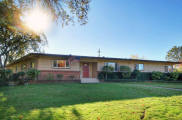

Sunstone Recovery
When addiction and mental health issues become overwhelming, it’s important to have access to proper and professional treatment. At Sunstone Recovery in Bend, Oregon, we strive to provide the highest quality rehabilitation services in the state. Learn more about Sunstone Recovery today and make your lifelong health and wellbeing a priority in your life. Addiction Treatment Services at Sunstone RecoveryOur Oregon treatment center focuses on providing comprehensive treatment to give each individual the right support for lasting recovery. We provide a variety of addiction treatment services and addiction therapy programs.


Sunflower Wellness Retreat
Sunflower Wellness Retreat is a highly specialized addiction treatment center providing a focus on recovery from alcohol, cocaine, and prescription drug abuse. Our Kansas City rehab center is focused on providing each individual with the tools for lasting recovery. We focus on providing treatment in a small intimate group atmosphere. This allows for more personalized treatment, which produces a higher success rate of abstinence from drinking and substance use behaviors. Our all-inclusive residential treatment center houses up to 20 individuals in a private and secluded setting. Sunflower Wellness Retreat also offers outpatient treatment programs and intensive outpatient treatment, drug and alcohol assessments, and a two-week program. Additionally, we offer extended care programs which can last anywhere between 30 to 90 days.


Foothills at Red Oak
Our holistic wellness program at Foothills at Red Oak Recovery serves 14-17-year-old male adolescents and their families. Our clinician-run treatment program is located on a 94-acre working horse farm in Ellenboro, NC. We strive to help promote growth, reflection, wellness, and healing for those experiencing the results of substance trauma and co-occurring mental health issues.


Desert Hope Treatment Center
Desert Hope Treatment Center’s name is a reflection of our mission: to be the sanctuary you need to leave drug abuse behind and find new hope for your future. As part of American Addiction Centers (AAC) portfolio of facilities through the United States, we treat both addiction and co-occurring disorders with the help of a dedicated, compassionate staff with years of experience in the treatment industry. Our location in Las Vegas, Nevada, makes it easy for people to access our life-changing programs and facilities. With an abundance of amenities and features ranging from hotel-style rooms and a private fitness center to biofeedback therapy and a music room with a grand piano, Desert Hope Treatment Center is a true recovery oasis in the Nevada desert. Come experience all the joy that a life lived in sobriety can bring to you.


Harmony Bay
Harmony Hills is a mental health and addiction treatment facility in Altoona, FL, just an hour north of Orlando. Our serene, rural setting allows guests to heal away from the stresses of everyday life. Our Florida rehab programs offer both evidence-based and holistic treatment therapies, to help our guests heal in both body and mind. Harmony Hills is committed to improving life for guests and their families through evidence-based therapy programs and holistic support for recovery. If you or a loved one is struggling with addiction or mental health issues, reach out to Harmony Hills today. In our peaceful environment, you find the support you need to recover.Addiction and mental health disorders can damage relationships. For that reason we offer family therapy to help rebuild trust and heal family ties. We address the whole person through our treatment programs and therapies.
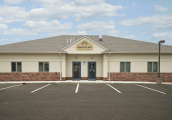

Ethan Crossing
When it comes to reliable and trusted addiction treatment in Springfield, Ohio, Ethan Crossing is a treatment center you can trust. We provide a variety of addiction treatment programs as well as dual diagnosis treatment for those in need. Our detox program is the ideal first step in your recovery journey, and the team at Ethan Crossing will see you through every step of the way. From our trained staff to our contemporary healing spaces, we set our guests up for achieving their goals of sustainable recovery. Screen reader support enabled.
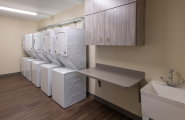

Genesis Recovery
Genesis Recovery is a state-licensed, nonprofit, faith-based, 12-step drug and alcohol rehab center and treatment program devoted to restoring the lives of men afflicted with the disease of addiction. Our long-term, highly structured, zero tolerance addiction recovery program fosters individual spiritual growth and lasting recovery from problematic drug and alcohol use through the implementation of our Spiritually Therapeutic Treatment Approach.

Midwest Detox Center
We provide detox and inpatient treatment for substance abuse and co-occurring mental health disorders. We are not a hospital-setting facility; we provide a healing environment so you can focus on your recovery away from any stresses or triggers. Midwest Detox is here to help you get clean, begin to find hope in recovery, and start building a life after addiction.

Talbert House
3009 Burnet Avenue, Cincinnati, OH, 45219
Services offered:
Substance abuse treatment, Individual counseling offered, Group counseling offered, Assistance with obtaining social services, Comprehensive substance abuse assessment, Discharge Planning, Substance a...
Service Setting:Residential, Long-term residential
Insurance Accepted:Substance abuse treatment, Individual counseling offered, Group counseling offered, Assistance with obtaining social services, Comprehensive substance abuse assessment, Discharge Planning, Substance abuse education, Screening for mental health disorders, Screening for substance abuse, Social skills development, Case management, Naltrexone (oral), Drug or alcohol urine screening, HIV or AIDS education, counseling, or support, Health education services other than HIV/AIDS or hepatitis, Self-help groups, Transportation assistance, Hepatitis education, counseling, or support, Consumer-run (peer-support) services, Smoking/tobacco cessation counselling, All Clients in Opioid Treatment Program, Employment counseling or training, Screening for tobacco use, Breath analyzer or blood alcohol testing, Housing services, Domestic violence services - family or partner, Nicotine replacement therapy, Vivitrol® (injectable Naltrexone), Prescribes/administer buprenorphine and/or naltrexone, Relapse prevention from naltrxone
Helen Ross McNabb Center Inc
5310 Ball Camp Pike, Knoxville, TN, 37921
Services offered:
Substance abuse treatment, Individual counseling offered, Group counseling offered, Family counseling offered, Aftercare/continuing care, Comprehensive substance abuse assessment, Discharge Planning, ...
Service Setting:Residential, Short-term residential, Residential detoxification
Insurance Accepted:Substance abuse treatment, Individual counseling offered, Group counseling offered, Family counseling offered, Aftercare/continuing care, Comprehensive substance abuse assessment, Discharge Planning, Mental health services, Outreach to persons in the community, Substance abuse education, Screening for mental health disorders, Screening for substance abuse, Social skills development, Case management, Naltrexone (oral), Drug or alcohol urine screening, HIV or AIDS education, counseling, or support, Health education services other than HIV/AIDS or hepatitis, Medications for psychiatric disorders), Self-help groups, Hepatitis education, counseling, or support, Consumer-run (peer-support) services, Detoxification, Opioids Detoxification, Interim services for clients, TB screening, Screening for tobacco use, Breath analyzer or blood alcohol testing, Buprenorphine used in treatment, Early intervention for HIV, Do not use medication for opioid addiction, HIV testing, STD testing, Vivitrol® (injectable Naltrexone), Alcohol Detoxification, Benzodiazepines Detoxification
Penobscot County Metro Treatment Ctr
655 Hogan Road, Bangor, ME, 04401
Services offered:
Substance abuse treatment, Individual counseling offered, Group counseling offered, Aftercare/continuing care, Comprehensive substance abuse assessment, Discharge Planning, Substance abuse education, ...
,
Service Setting:Outpatient, Regular outpatient treatment, Outpatient methadone/buprenorphine or naltrexone
Insurance Accepted:Substance abuse treatment, Individual counseling offered, Group counseling offered, Aftercare/continuing care, Comprehensive substance abuse assessment, Discharge Planning, Substance abuse education, Screening for substance abuse, Social skills development, Drug or alcohol urine screening, HIV or AIDS education, counseling, or support, Health education services other than HIV/AIDS or hepatitis, Self-help groups, Hepatitis education, counseling, or support, Consumer-run (peer-support) services, Methadone maintenance, Methadone, All Clients in Opioid Treatment Program, SAMHSA-certified Opioid Treatment Program, TB screening, Employment counseling or training, Breath analyzer or blood alcohol testing
Dr Miriam/Sheldon G Adelson
3661 South Maryland Parkway,
Suite 64, Las Vegas, NV, 89169
Services offered:
Substance abuse treatment, Individual counseling offered, Group counseling offered, Family counseling offered, Assistance with obtaining social services, Comprehensive substance abuse assessment, Disc...
Service Setting:Outpatient, Regular outpatient treatment, Outpatient methadone/buprenorphine or naltrexone, Outpatient detoxification
Insurance Accepted:Substance abuse treatment, Individual counseling offered, Group counseling offered, Family counseling offered, Assistance with obtaining social services, Comprehensive substance abuse assessment, Discharge Planning, Outreach to persons in the community, Substance abuse education, Screening for substance abuse, Case management, Drug or alcohol urine screening, HIV or AIDS education, counseling, or support, Health education services other than HIV/AIDS or hepatitis, Hepatitis education, counseling, or support, Detoxification, Methadone maintenance, Methadone detoxification, Methadone, All Clients in Opioid Treatment Program, SAMHSA-certified Opioid Treatment Program, Opioids Detoxification, Interim services for clients, TB screening, Employment counseling or training, Breath analyzer or blood alcohol testing, Housing services, HIV testing, Screening for Hepatitis B, Screening for Hepatitis C, STD testing
West Midtown Medical Group
505 8th Avenue,
4th Floor, New York, NY, 10018
Services offered:
Substance abuse treatment, Individual counseling offered, Group counseling offered, Family counseling offered, Marital/couples counseling offered, Aftercare/continuing care, Assistance with obtaining ...
Service Setting:Outpatient, Regular outpatient treatment, Outpatient methadone/buprenorphine or naltrexone
Insurance Accepted:Substance abuse treatment, Individual counseling offered, Group counseling offered, Family counseling offered, Marital/couples counseling offered, Aftercare/continuing care, Assistance with obtaining social services, Comprehensive mental health assessment, Comprehensive substance abuse assessment, Discharge Planning, Mental health services, Outreach to persons in the community, Substance abuse education, Screening for mental health disorders, Screening for substance abuse, Social skills development, Case management, Naltrexone (oral), Non-nicotine smoking/tobacco cessation medications, Acamprosate(Campral®), Drug or alcohol urine screening, HIV or AIDS education, counseling, or support, Health education services other than HIV/AIDS or hepatitis, Medications for psychiatric disorders), Transportation assistance, Hepatitis education, counseling, or support, Smoking/tobacco cessation counselling, All Clients in Opioid Treatment Program, Interim services for clients, TB screening, Employment counseling or training, Screening for tobacco use, Breath analyzer or blood alcohol testing, Housing services, Buprenorphine maintenance, Buprenorphine used in treatment, Early intervention for HIV, Domestic violence services - family or partner, HIV testing, Screening for Hepatitis B, Screening for Hepatitis C, STD testing, Nicotine replacement therapy, Vivitrol® (injectable Naltrexone), Prescribes/administer buprenorphine and/or naltrexone, Disulfiram(Antabuse®), Relapse prevention from naltrxone
Island Crossing Counseling Services
21123 Smokey Point Boulevard, Arlington, WA, 98223
Services offered:
Substance abuse treatment, Individual counseling offered, Group counseling offered, Aftercare/continuing care, Comprehensive substance abuse assessment, Discharge Planning, Mental health services, Out...
Service Setting:Outpatient, Computerized treatment, Outpatient methadone/buprenorphine or naltrexone
Insurance Accepted:Substance abuse treatment, Individual counseling offered, Group counseling offered, Aftercare/continuing care, Comprehensive substance abuse assessment, Discharge Planning, Mental health services, Outreach to persons in the community, Substance abuse education, Screening for substance abuse, Case management, Drug or alcohol urine screening, HIV or AIDS education, counseling, or support, Health education services other than HIV/AIDS or hepatitis, Transportation assistance, Hepatitis education, counseling, or support, Methadone maintenance, Methadone, All Clients in Opioid Treatment Program, SAMHSA-certified Opioid Treatment Program, TB screening, Screening for tobacco use, Breath analyzer or blood alcohol testing, Early intervention for HIV
Orlando Recovery Center
6000 Lake Ellenor Drive, Orlando, FL, 32809
Services offered:
Substance abuse treatment, Individual counseling offered, Group counseling offered, Family counseling offered, Marital/couples counseling offered, Aftercare/continuing care, Comprehensive substance ab...
,
Service Setting:Residential, Long-term residential, Short-term residential, Residential detoxification
Insurance Accepted:Substance abuse treatment, Individual counseling offered, Group counseling offered, Family counseling offered, Marital/couples counseling offered, Aftercare/continuing care, Comprehensive substance abuse assessment, Discharge Planning, Mental health services, Outreach to persons in the community, Substance abuse education, Screening for substance abuse, Case management, Naltrexone (oral), Non-nicotine smoking/tobacco cessation medications, Acamprosate(Campral®), Drug or alcohol urine screening, Medications for psychiatric disorders), Self-help groups, Transportation assistance, Smoking/tobacco cessation counselling, Detoxification, Opioids Detoxification, Interim services for clients, TB screening, Breath analyzer or blood alcohol testing, Buprenorphine used in treatment, HIV testing, Screening for Hepatitis B, Screening for Hepatitis C, STD testing, Nicotine replacement therapy, Buprenorphine detoxification, Alcohol Detoxification, Benzodiazepines Detoxification, Cocaine Detoxification, Methamphetamines Detoxification, Disulfiram(Antabuse®), Relapse prevention from naltrxone, Treatment for non-substance abuse addiction disorder
Lower Keys Medical Center
1200 Kennedy Drive, Key West, FL, 33040
Services offered:
Substance abuse treatment, Accepts clients on opioid medication, Individual counseling offered, Group counseling offered, Family counseling offered, Marital/couples counseling offered, Aftercare/conti...
Service Setting:Outpatient, Intensive outpatient treatment, General Hospital(including VA hospital), Hospital inpatient, Hospital inpatient detoxification, Hospital inpatient treatment
Insurance Accepted:Substance abuse treatment, Accepts clients on opioid medication, Individual counseling offered, Group counseling offered, Family counseling offered, Marital/couples counseling offered, Aftercare/continuing care, Assistance with obtaining social services, Comprehensive mental health assessment, Comprehensive substance abuse assessment, Discharge Planning, Mental health services, Outreach to persons in the community, Substance abuse education, Screening for mental health disorders, Screening for substance abuse, Social skills development, Case management, Naltrexone (oral), Acamprosate(Campral®), Drug or alcohol urine screening, HIV or AIDS education, counseling, or support, Health education services other than HIV/AIDS or hepatitis, Medications for psychiatric disorders), Hepatitis education, counseling, or support, Smoking/tobacco cessation counselling, Detoxification, Opioids Detoxification, TB screening, Screening for tobacco use, Breath analyzer or blood alcohol testing, Housing services, HIV testing, Screening for Hepatitis B, Screening for Hepatitis C, STD testing, Nicotine replacement therapy, Alcohol Detoxification, Benzodiazepines Detoxification, Cocaine Detoxification, Methamphetamines Detoxification, Disulfiram(Antabuse®)
Narconon Colorado
1225 Redwood Street, Fort Collins, CO, 80524
Services offered:
Substance abuse treatment, Individual counseling offered, Group counseling offered, Family counseling offered, Marital/couples counseling offered, Aftercare/continuing care, Assistance with obtaining ...
Service Setting:Outpatient, Intensive outpatient treatment, Regular outpatient treatment, Outpatient day treatment or partial hospitalization, Outpatient detoxification, Residential, Long-term residential, Short-term residential, Residential detoxification
Insurance Accepted:Substance abuse treatment, Individual counseling offered, Group counseling offered, Family counseling offered, Marital/couples counseling offered, Aftercare/continuing care, Assistance with obtaining social services, Comprehensive mental health assessment, Comprehensive substance abuse assessment, Discharge Planning, Outreach to persons in the community, Substance abuse education, Screening for mental health disorders, Screening for substance abuse, Social skills development, Case management, Naltrexone (oral), Drug or alcohol urine screening, HIV or AIDS education, counseling, or support, Health education services other than HIV/AIDS or hepatitis, Transportation assistance, Hepatitis education, counseling, or support, Consumer-run (peer-support) services, Smoking/tobacco cessation counselling, Detoxification, Opioids Detoxification, Interim services for clients, TB screening, Do not treat opioid addiction, Employment counseling or training, Screening for tobacco use, Breath analyzer or blood alcohol testing, Housing services, Buprenorphine used in treatment, Acupuncture, Early intervention for HIV, HIV testing, Screening for Hepatitis B, Screening for Hepatitis C, Nicotine replacement therapy, Alcohol Detoxification, Cocaine Detoxification, Methamphetamines Detoxification, Treatment for gambling disorder, Treatment for non-substance abuse addiction disorder, Treatment for internet use disorder